

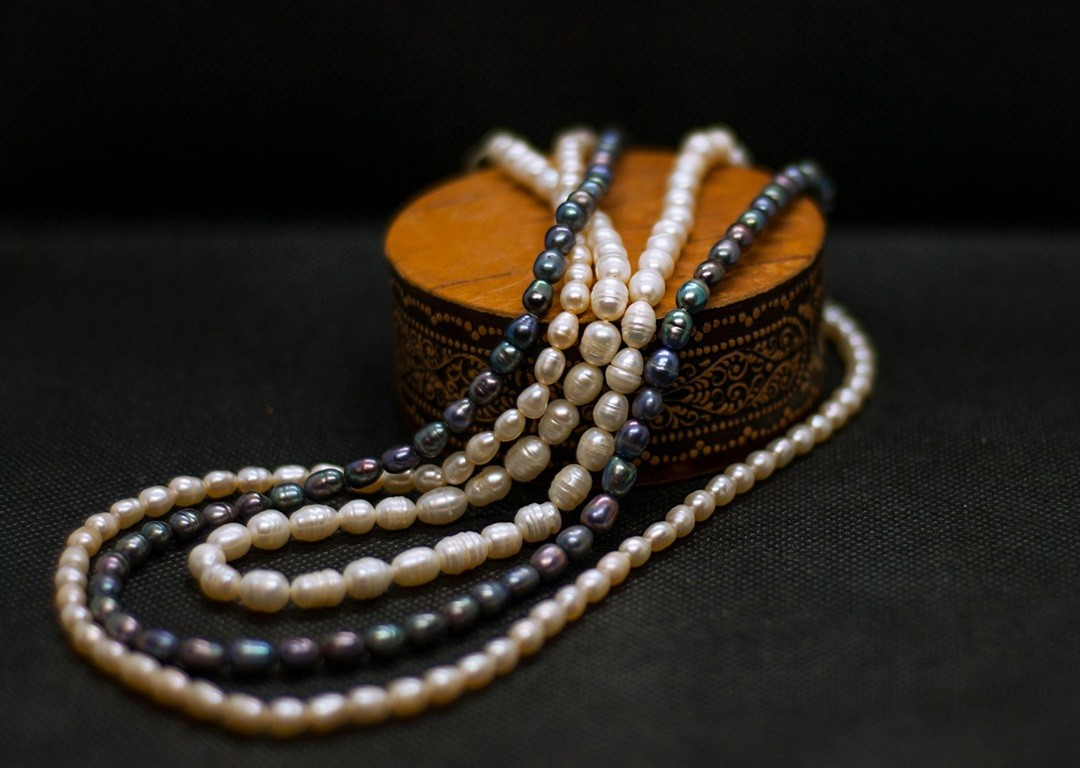
For thousands of years, pearls have enchanted humanity, not just for their soft glow or natural elegance, but for the stories they carry across oceans, continents, and generations.
More than mere ornaments, pearls have been revered as sacred offerings, symbols of purity, tokens of love, and expressions of power.
At X & Y, we believe every pearl tells a story. So let’s take you on a cultural journey of pearls to discover the deep symbolic meanings of pearls, rooted in mythology, tradition, and the evolving language of fashion.
How Are Pearls Formed?
Before we explore pearls in culture, it helps to understand the magic behind their creation.
Unlike other gemstones that must be mined from the earth, pearls are born from the sea, formed organically within mollusks like oysters and mussels.
When an irritant, often a grain of sand or parasite, slips inside the shell, the mollusk coats it with layers of nacre, producing a luminous, one-of-a-kind gem.
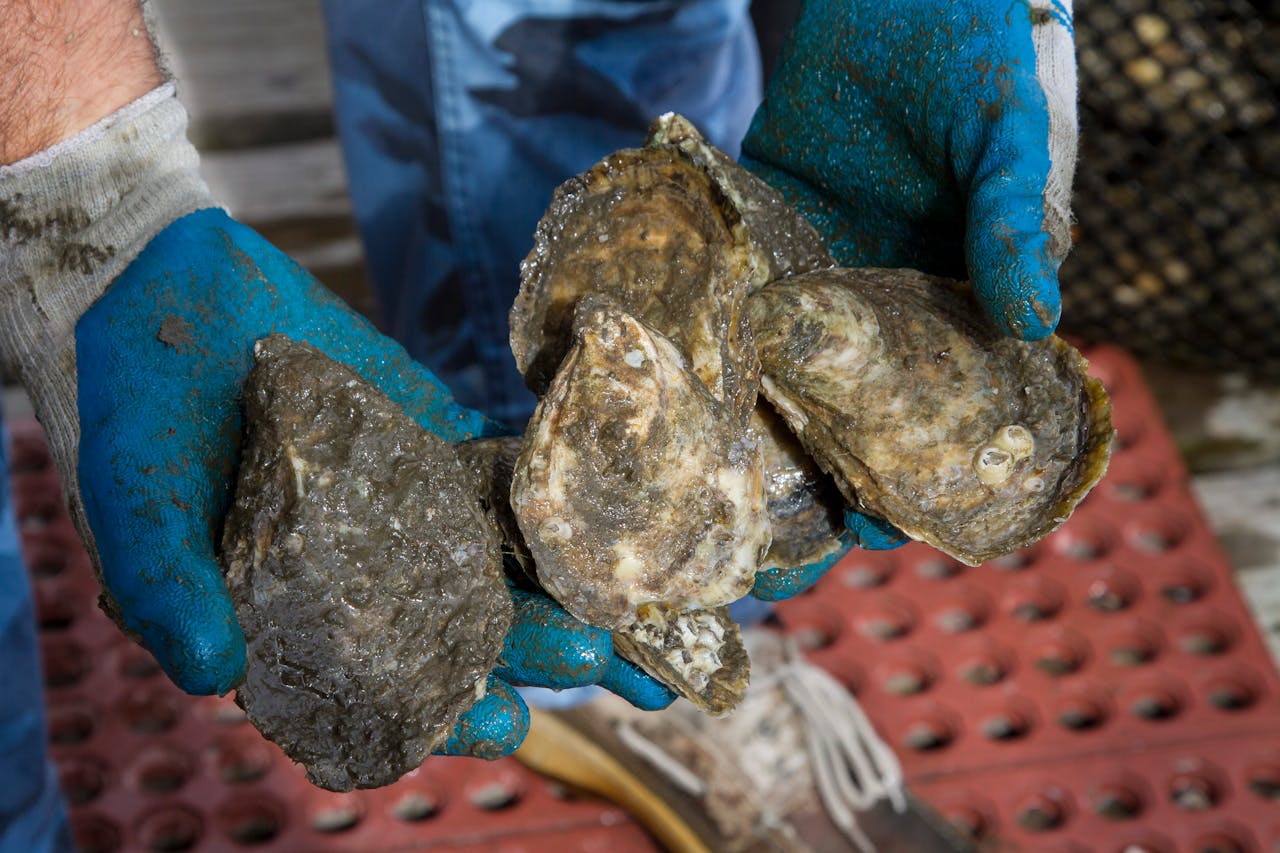
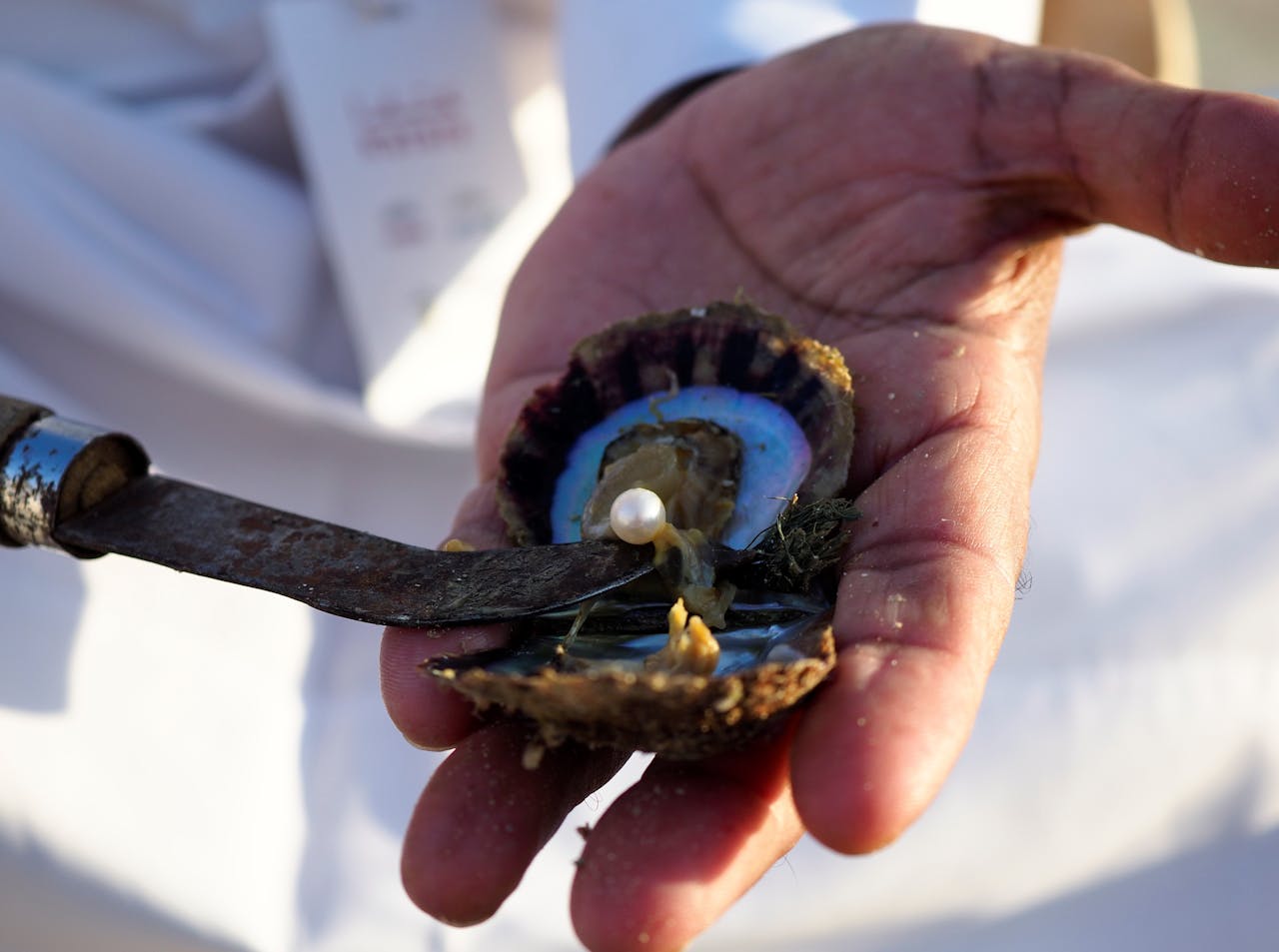
This natural process, beauty born from adversity, forms the foundation for much of the pearl’s symbolic power across the globe.
Pearls in Ancient China: Wisdom and Myth
Our journey begins in ancient China, where pearls were treasured as symbols of wisdom, spiritual energy, and immortality.
Early Chinese mythology tells of dragons who carried pearls in their mouths, guarding them as sources of eternal power.
These weren’t mere fairy tales; emperors of the Han dynasty (206 BCE–220 CE) buried themselves with pearls, believing they would protect the body and soul in the afterlife.
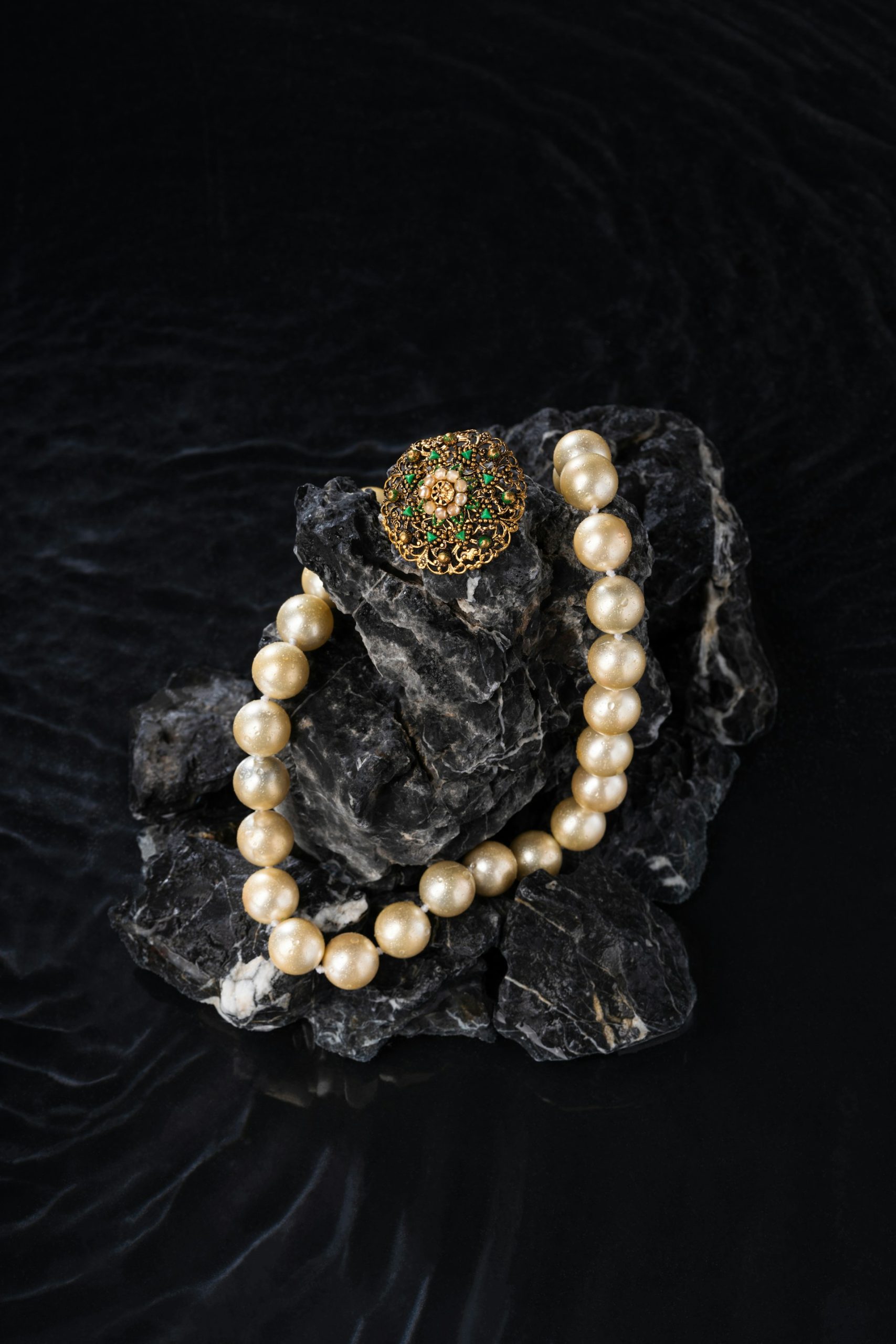
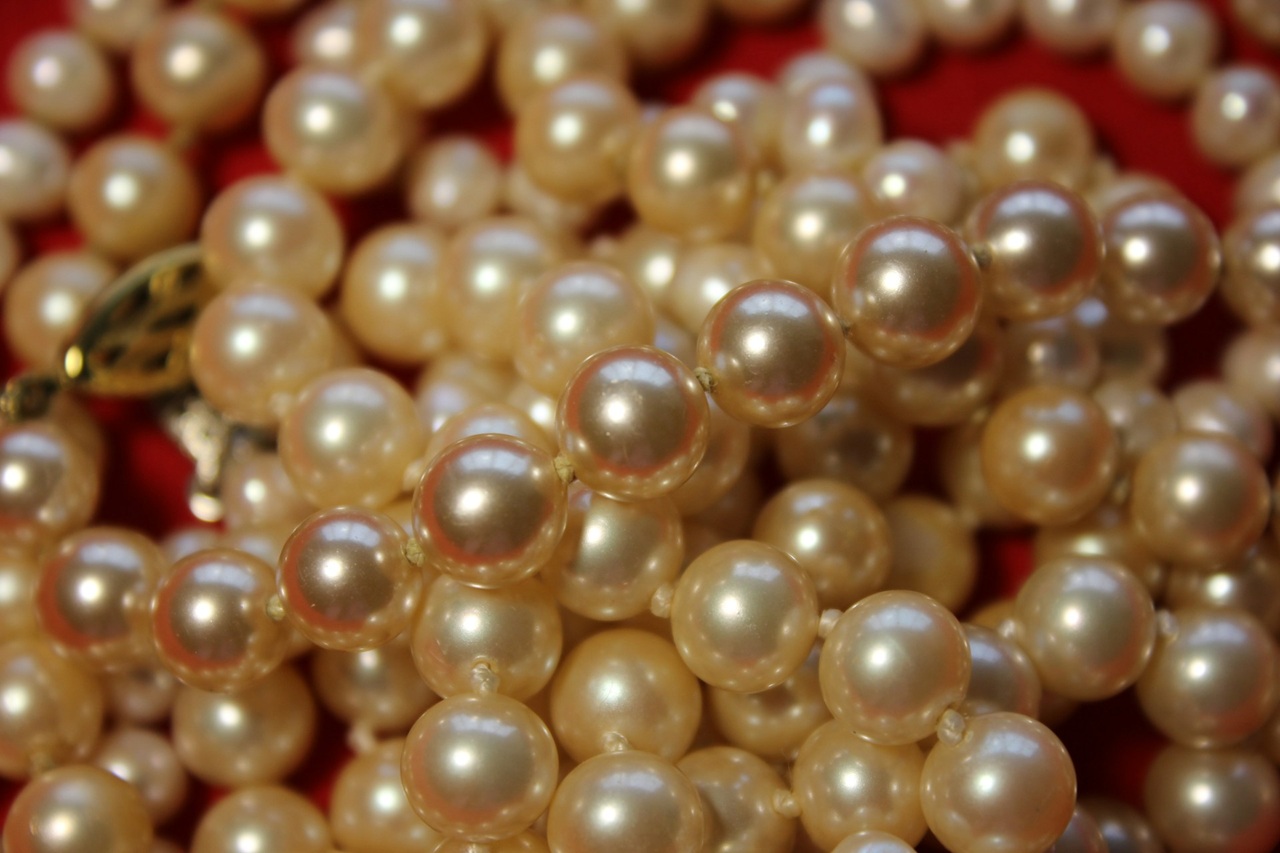

Pearls were also ground into powder and consumed by royalty as elixirs of youth, or crushed and applied as cosmetics.
For the Chinese, pearls weren’t just beautiful, they were deeply sacred, believed to bring harmony between heaven and earth.
Divine Purity of Pearls in Indian Culture
In India, pearls appear in sacred texts as early as the Rigveda, symbolizing purity and divine favor.
According to Hindu legend, Krishna plucked the first pearl from the ocean and gave it to his daughter on her wedding day, a gesture that linked pearls forever with love, marriage, and sacred union.
Ancient Indian royalty adorned themselves in pearls, not just for beauty but for what they represented: nobility and spiritual insight.
In Mughal India, emperors wore pearl-studded turbans and jewelry, believing pearls would enhance their status and bring divine protection.


Even today, South Indian brides often wear multi-strand pearl necklaces as a part of traditional wedding attire, echoing centuries of cultural continuity.
Pearls in Japanese Culture: Ama Divers and Shinto Symbolism
In Japanese culture, pearls are tied to Shinto beliefs that emphasize purity and reverence for nature.
The ama, traditional female pearl divers, have harvested natural pearls for centuries, diving without modern equipment to collect treasures from the sea.
Their bravery and deep connection to the ocean added layers of meaning to pearls as symbols of endurance and quiet strength.


Japan also gave the world the modern cultured pearl, pioneered by Kokichi Mikimoto in the early 1900s.
He once said, “My dream is to adorn the necks of all women around the world with pearls.” His dream helped transform pearls into an accessible global symbol of refined beauty.
Pearls in Western Culture
In ancient Rome, pearls were so prized they were considered the ultimate status symbol. Julius Caesar once passed a law allowing only the elite to wear them.
The Roman general Vitellius reportedly funded an entire military campaign by selling just one of his mother’s pearl earrings.
Fast forward to Victorian England, and pearls took on more somber meanings. Often worn during mourning, they symbolized tears: tiny, glistening tributes to lost loved ones.
But in weddings, Queen Victoria helped popularize pearls as a symbol of innocence, and the tradition carried into the 20th century.
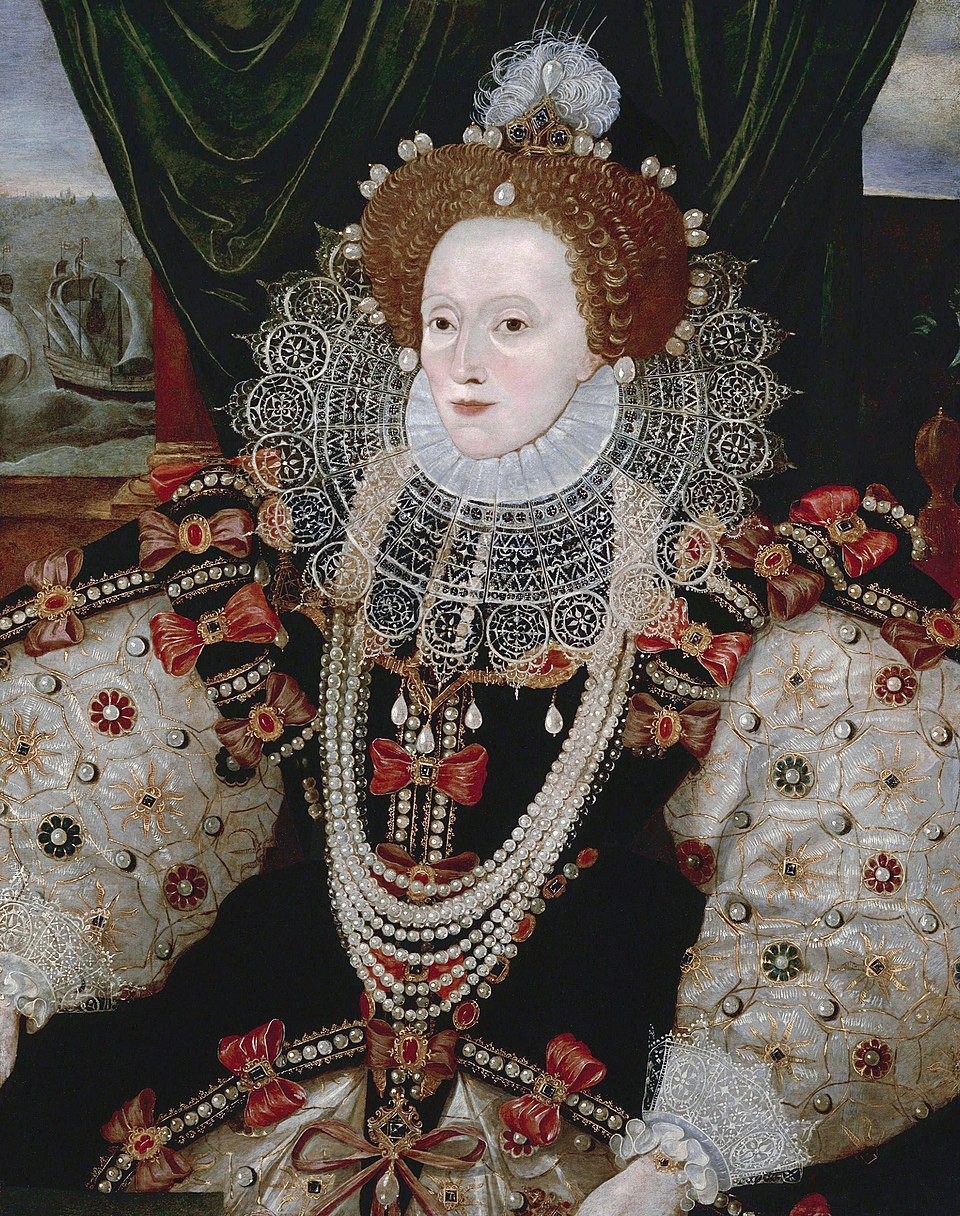

Today, pearls remain a wedding day favorite in the West, not because of vague notions of purity, but because of this rich heritage rooted in royal tradition and deep emotional symbolism.
Ancestral Connection of Pearls in Indigenous Cultures
In various indigenous cultures, such as the Native American tribes of the Mississippi River Valley, freshwater pearls were used in ceremonial regalia and as trade goods.
The Chickasaw and Choctaw people adorned clothing and accessories with pearls from local rivers, believing they held protective and spiritual powers.
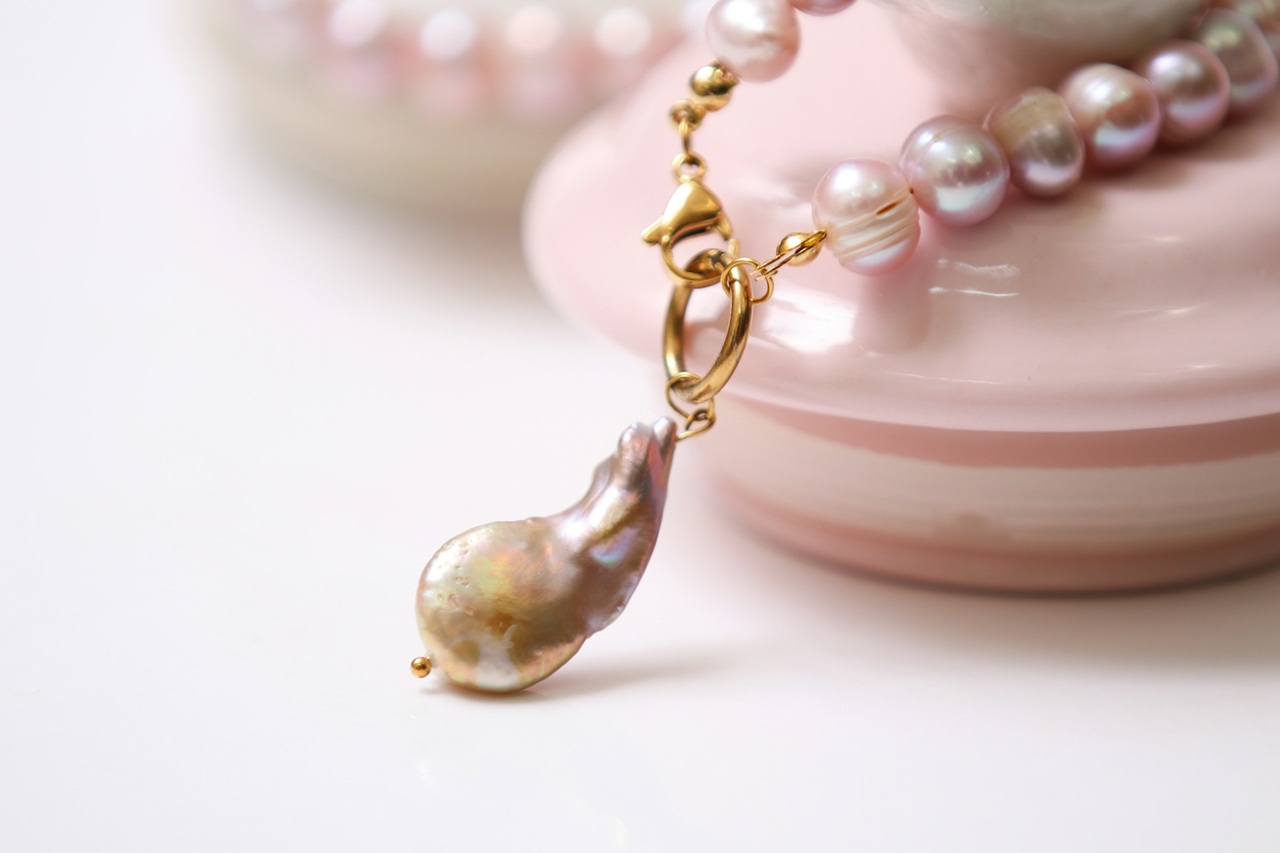

Pearls in these contexts were not only beautiful but deeply meaningful, integrated into rituals, identity, and ancestral connection.
Modern Pearl Trends: Gender-Fluid Fashion and Contemporary Icons
Though steeped in ancient tradition, pearls continue to evolve.
In the 20th century, pearls graced the necks of icons like Coco Chanel, Audrey Hepburn, and Jacqueline Kennedy Onassis, each redefining them for their time: poised and powerful. But the 21st century has seen yet another transformation.
Designers like Vivienne Westwood and Alexander McQueen have shattered the mold, using oversized, asymmetrical, and punk-inspired pearl designs.
In pop culture, artists like Kim Kardashian, Rihanna and Harry Styles have made pearls gender-fluid, playful, and unapologetically modern.

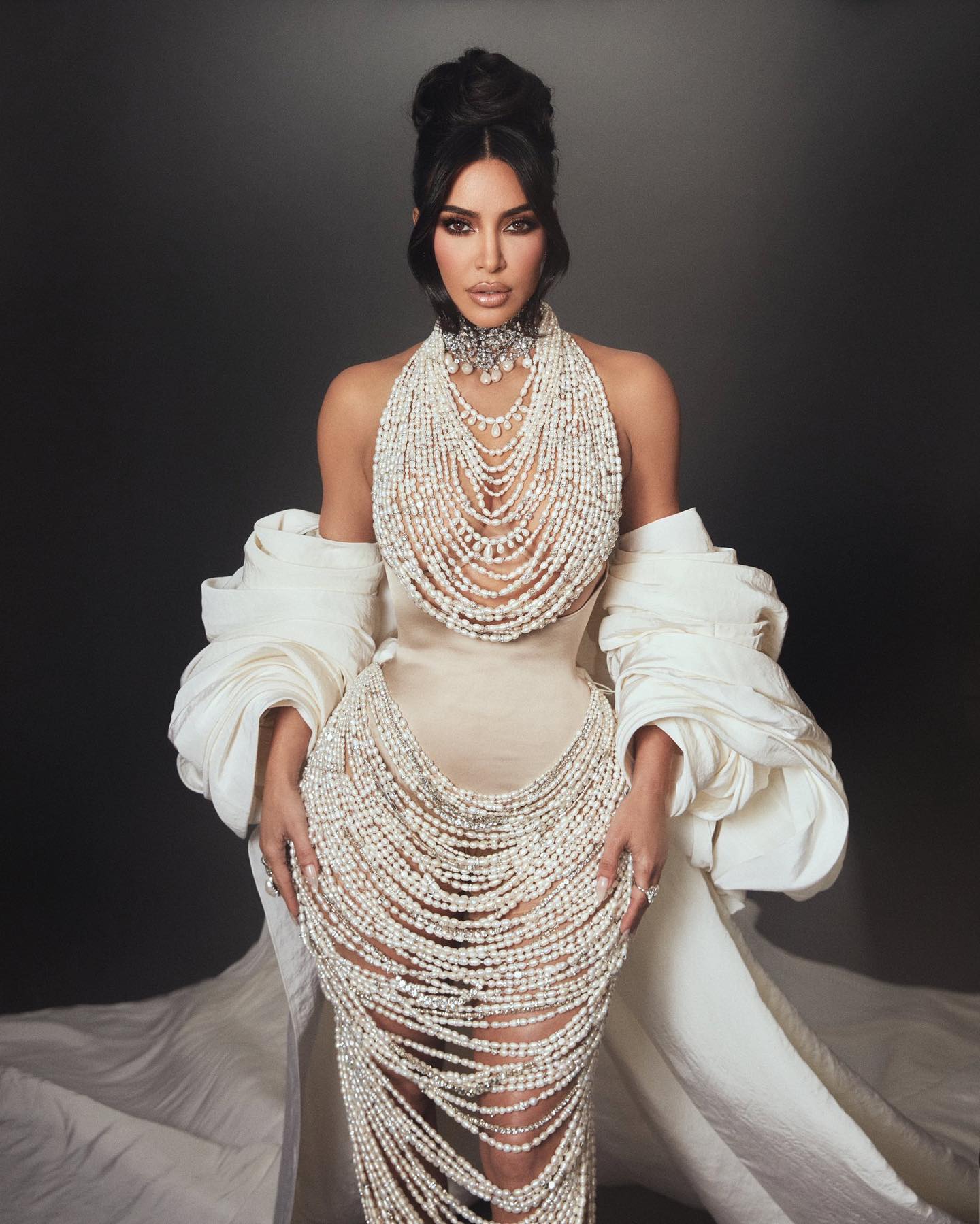
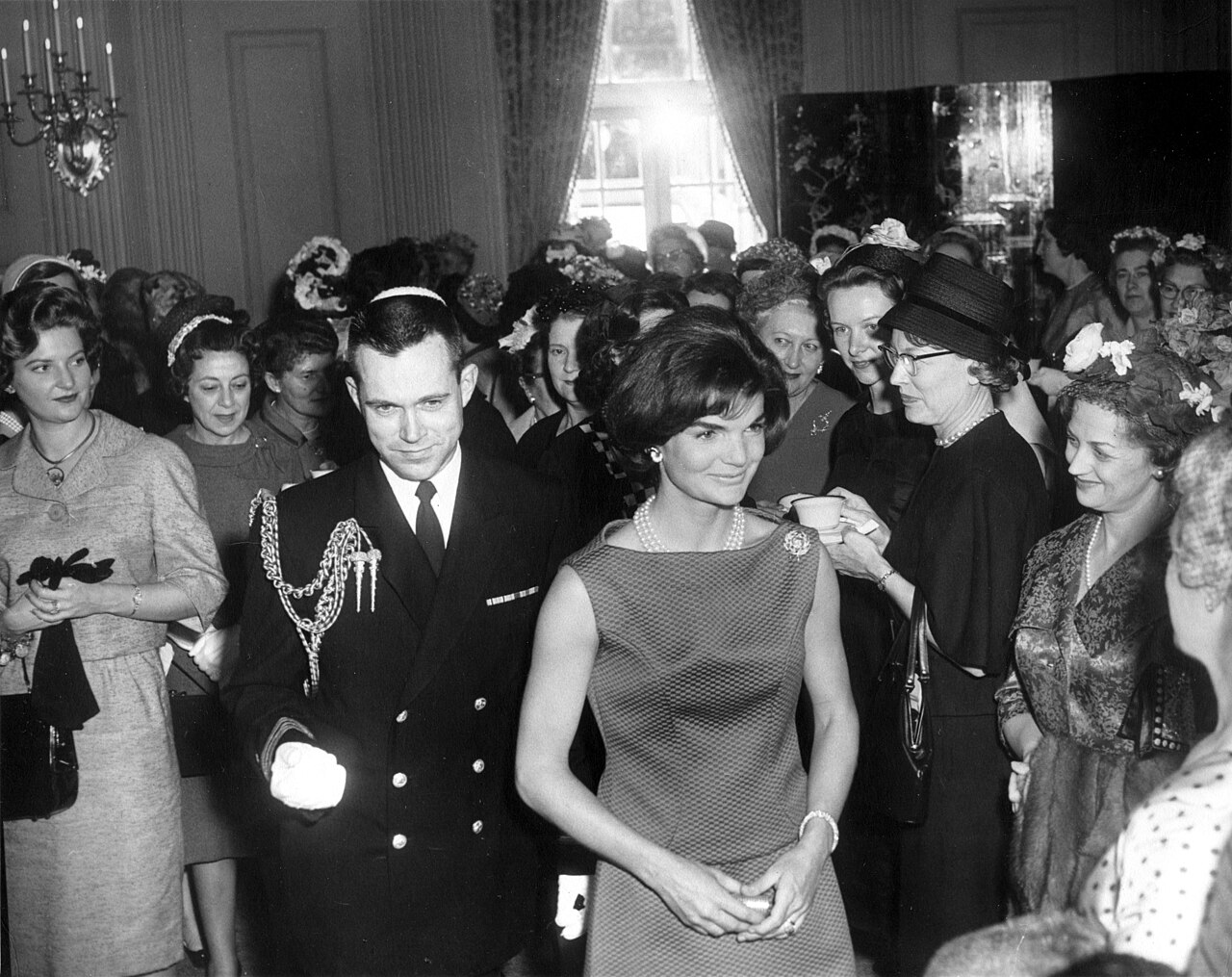
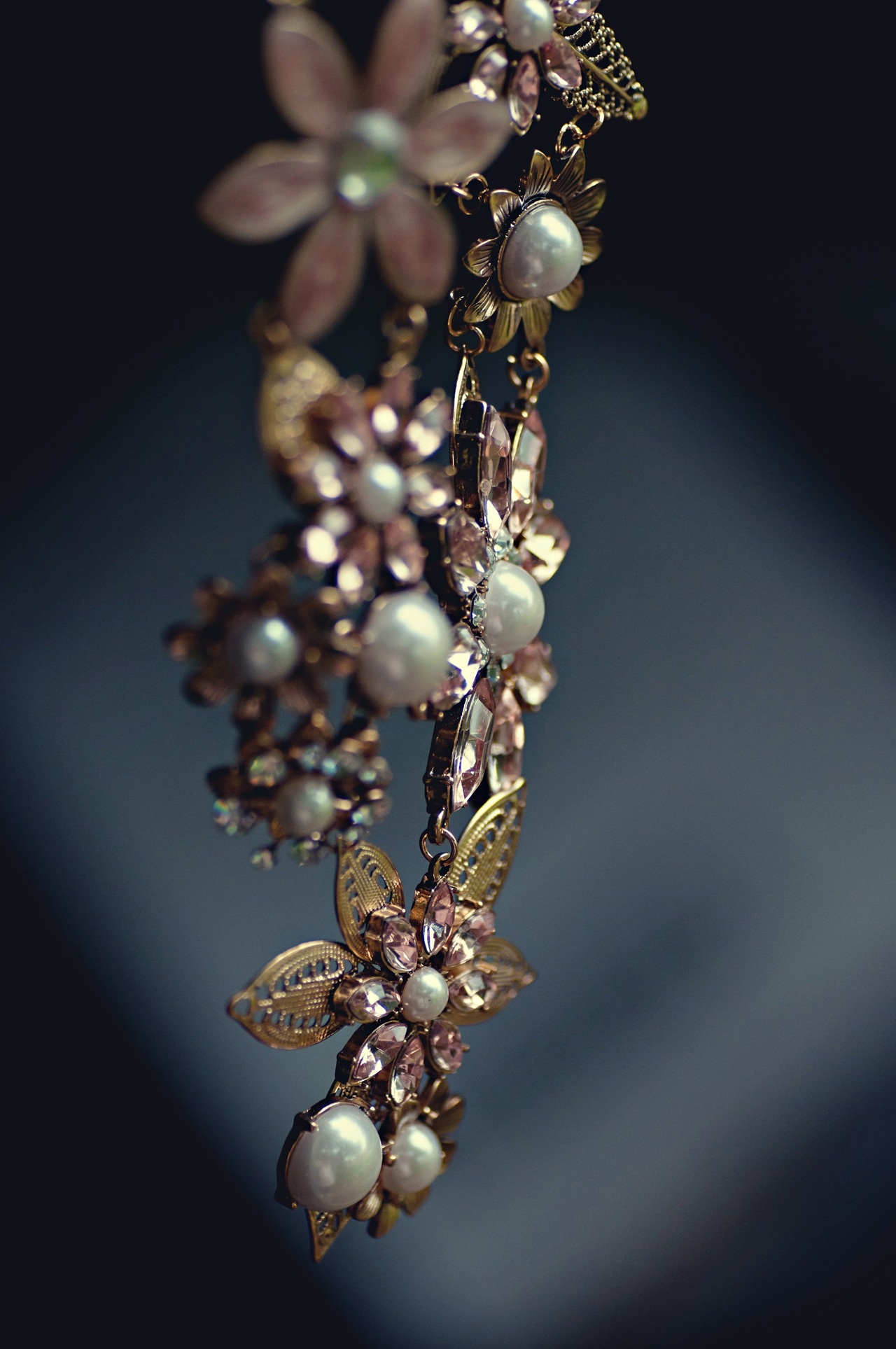
Meanwhile, influencers and everyday wearers are reclaiming pearls, not as heirlooms locked in jewelry boxes, but as daily expressions of individuality, empowerment, and connection to a timeless past.
The Timeless Symbolism of Pearls: The Story You Wear
From Chinese dragons to Indian weddings, Roman empires to Japanese divers, the pearl has been a faithful witness to human history; always evolving, always shimmering with meaning.
Pearls carry stories of love, power, tradition, and reinvention. At X & Y, we help you honor those stories, whether through a new piece or by repairing and restringing one passed down through generations.
So let your story shine. Embrace the elegance. And wear your pearls with pride.
FAQs
What do pearls symbolize in different cultures?
Pearls symbolize a wide range of meanings depending on the culture, from purity and wisdom in China and India, to prestige in the West, to spiritual protection among Indigenous communities.
Why are pearls important in Indian weddings?
In Indian tradition, pearls represent purity and divine blessings. They’re often worn by brides as part of ceremonial jewelry, reflecting ancient myths like Lord Krishna gifting the first pearl for a wedding.
Are pearls still fashionable today?
Yes, pearls have made a major comeback in modern fashion. Designers and celebrities now use them in bold, gender-neutral styles that reflect individuality and self-expression.
How are pearls formed naturally?
Natural pearls form inside mollusks when an irritant is coated with layers of nacre, creating a luminous gem over time. This organic process gives pearls their unique symbolism of beauty born from adversity.